
China has eight great culinary traditions, but Yunnan cuisine doesn’t officially belong to any of them — and that’s exactly what makes it so interesting. Sitting at the crossroads of Southeast Asia, Tibet, and inland China, Yunnan has developed a food culture that borrows from everywhere and tastes like nowhere else. Fresh herbs dominate. Wild mushrooms are practically a religion. Rice noodles come in a dozen forms you’ve never imagined. And the sheer biodiversity of the province — from tropical rainforests to alpine meadows — means ingredients here simply don’t exist anywhere else in China. Whether you’re slurping crossing the bridge noodles in Kunming, grilling cheese on a stick in Dali, or sitting down to a bubbling yunnan mushroom hotpot in the rainy season, eating in Yunnan is an adventure in itself.


Yunnan Noodles and Rice Dishes
1. Crossing the Bridge Noodles (Guoqiao Mixian)
This is Yunnan’s most famous dish, and for good reason. A giant bowl of piping hot chicken broth arrives at your table, its surface sealed by a layer of oil that keeps the soup at near-boiling temperature. Alongside it come plates of paper-thin raw meat, quail eggs, tofu skin, chrysanthemum petals, fresh herbs, and rice noodles. You add the ingredients yourself, and the superheated broth cooks them in seconds. The result is a bowl of soup that’s simultaneously rich and delicate, with textures ranging from silky noodles to tender meat. The name comes from a legend about a devoted wife who carried soup across a bridge to her studying husband — the oil layer kept it hot during the journey. In Kunming, you’ll find crossing the bridge noodles everywhere, from street-side stalls serving basic versions for 15-20 yuan to elaborate restaurant presentations with 30+ ingredients for over 100 yuan.
📷 请插入图片:过桥米线全套,包括大碗汤底和多碟配菜

2. Erkuai (Pounded Rice Cake)
Erkuai is made from rice that’s been steamed, pounded into a dense paste, and shaped into blocks or thin sheets. It’s Yunnan’s answer to bread — a blank canvas that takes on whatever flavors you pair it with. The most common preparation is grilled over charcoal and brushed with chili paste and fermented bean sauce, then folded around crispy fried dough and pickled vegetables. You’ll find erkuai vendors on nearly every street corner in Kunming and Dali, especially in the mornings. It’s also stir-fried with ham, vegetables, and chili in a dish called chao erkuai — comfort food at its simplest and best.
3. Yunnan Mixian (Rice Noodle Variations)
Yunnan noodles go far beyond crossing the bridge. Mixian — fresh rice noodles — are eaten at every meal across the province, and each city has its own signature preparation. In Kunming, xiaoguo mixian (small pot noodles) are cooked to order in individual clay pots over high flame. In Mengzi (the birthplace of crossing the bridge noodles), the broth is richer and more complex. In Dali, you’ll find cold mixian dressed in vinegar, chili oil, and crushed peanuts — perfect for hot summer days. What they all share is the noodle itself: silky, slightly chewy, and with a clean rice flavor that lets the toppings shine. A bowl of mixian costs as little as 8-15 yuan, making it one of the best food bargains in China.

4. Zhu Tong Fan (Bamboo Rice)
Common in Xishuangbanna and other southern Yunnan areas, bamboo rice is made by stuffing glutinous rice into a fresh bamboo tube and roasting it over a fire. As it cooks, the rice absorbs the bamboo’s fragrance, developing a subtle sweetness and a slightly sticky texture. The bamboo is then split open at the table, and you eat the rice straight from the tube. It’s a Dai ethnic specialty and one of those dishes that’s impossible to replicate outside the region because the fresh bamboo is essential to the flavor.
Yunnan Mushroom and Hotpot Dishes
5. Wild Mushroom Hotpot (Yesheng Jun Huoguo)
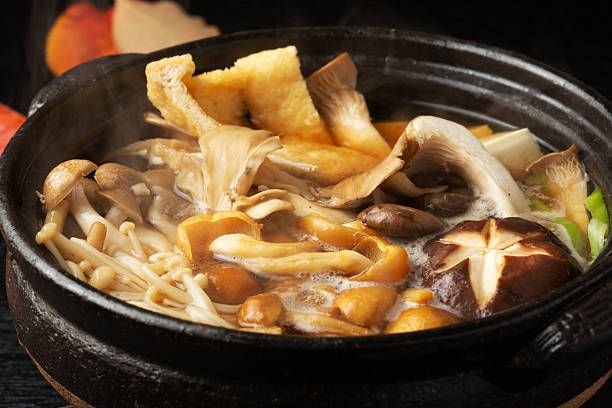
Yunnan produces more wild mushroom varieties than anywhere else in China — over 800 edible species at last count. During the rainy season (June through September), yunnan mushroom hotpot restaurants pop up on every block, and locals treat mushroom season with the kind of reverence the French reserve for truffle hunting. A typical hotpot features a bubbling chicken broth loaded with 8-12 varieties of wild mushrooms: matsutake, porcini, chanterelles, chicken-oil mushrooms, bamboo fungus, and others with no English name. The rule is simple — let the broth boil for at least 20 minutes before eating, because some varieties must be thoroughly cooked. The resulting soup is intensely savory, almost meaty, with layers of umami that no seasoning packet could ever replicate. Expect to pay 100-200 yuan per person at a mid-range mushroom hotpot restaurant.

6. Jianshui Tofu (Grilled Tofu)
Jianshui, a small city south of Kunming, produces what many consider the finest tofu in China. Small cubes of firm tofu are grilled over charcoal until the outside is crispy and golden while the inside turns creamy and almost custard-like. Dipped in a dry chili powder mix with salt and Sichuan pepper, it’s one of the most addictive snacks in Yunnan. In Jianshui itself, the tofu vendors set up at night along the old town streets, and you sit on tiny stools around a communal grill. But you’ll find Jianshui-style grilled tofu in cities across the province.
7. Qiguo Ji (Steam Pot Chicken)
This dish uses a special clay pot with a hollow chimney in the center. Steam rises through the chimney and condenses inside the sealed pot, slowly cooking the chicken in its own juices without any added water. The result is an incredibly pure, concentrated chicken soup — golden, fragrant, and intensely flavored. Often, medicinal herbs like ginseng or astragalus are added. Steam pot chicken is a Kunming specialty and one of the best dishes to try when you want something warming and restorative, especially if you’re adjusting to Yunnan’s altitude.
Yunnan Street Food and Snacks
8. Rushan and Rubing (Yunnan Cheese)
Cheese in China? In Yunnan, absolutely. The Bai people of Dali have been making dairy products for centuries, and their two signature cheeses are unlike anything else on the continent. Rushan is a thin, stretchy sheet of cheese wrapped around a stick, grilled until crispy, and drizzled with condensed milk or rose jam. It’s sweet, salty, and satisfyingly chewy — a must-try yunnan street food when walking through Dali’s old town. Rubing is a firmer goat cheese, pan-fried until golden and served with chili salt. Think halloumi with a Yunnan twist.

9. Fried Potato Cakes (Laokao Yangyu)
Yunnan grows some of the best potatoes in China, and the simplest preparation is often the most satisfying. Street vendors mash boiled potatoes into thick patties, fry them on a flat griddle until crispy on both sides, then load them up with pickled vegetables, chili sauce, scallions, cilantro, and a sprinkle of Sichuan pepper. It costs about 5-8 yuan and fills you up for hours. You’ll find these everywhere, but the versions in Kunming’s small alleys and Lijiang’s side streets tend to be the most generous with toppings.
10. Xuanwei Ham
Xuanwei ham is Yunnan’s answer to prosciutto — a dry-cured ham aged for up to three years in the cool mountain air of northeastern Yunnan. The flavor is rich, salty, and deeply savory, with a slightly sweet finish. It’s used as an ingredient in many Yunnan dishes (stir-fried with vegetables, added to soups, or tucked inside mooncakes), but it’s also served thinly sliced on its own as a cold appetizer. If you’re a fan of cured meats, seeking out proper Xuanwei ham is worth the effort.
11. Dian-Style Grilled Fish
Fresh fish — often from Yunnan’s lakes and rivers — is butterflied, marinated with lemongrass, chili, and local herbs, then grilled over charcoal. This preparation is common in southern Yunnan, especially in Xishuangbanna, where Dai cooking techniques meet tropical ingredients. The fish is served on banana leaves with sticky rice, dipping sauces, and a bouquet of fresh herbs you tear and add yourself. It’s interactive, flavorful, and best enjoyed with a cold beer.
Regional Specialties by City
Kunming Food Highlights
As the provincial capital, Kunming is where all of Yunnan’s regional cuisines converge. This is the best city for crossing the bridge noodles, steam pot chicken, and wild mushroom hotpot. Don’t miss the night markets around Nanping Street and the food stalls near Kunming University. Kunming is also where you’ll find 12. Rose Cakes (Xianhua Bing) — flaky pastries filled with a fragrant paste made from locally grown edible roses. They’re sold in bakeries across the city and make excellent gifts.
Dali Food Highlights
Dali’s Bai ethnic cuisine stands apart from the rest of Yunnan. Besides rushan and rubing cheese, look for 13. Bai-Style Sandao Cha (Three-Course Tea) — a traditional ceremony where you taste three cups representing bitterness, sweetness, and reflection. For something more filling, try the Dali sour fish soup, made with tomatoes and pickled vegetables, or the cold chicken with Dali-style chili oil. The area around the South Gate of Dali Old Town is the best hunting ground for local food.

Lijiang Food Highlights
Lijiang’s Naxi cuisine features hearty, meat-heavy dishes suited to the cooler highland climate. 14. Naxi Baba is a flatbread stuffed with ham or sugar and cooked on a griddle — grab one for breakfast from a street vendor in the Old Town. Lijiang is also known for yak meat hotpot, black-bone chicken soup, and a local favorite: salmon and trout sashimi from the cold rivers near Jade Dragon Snow Mountain. The Zhongyi Market in the Old Town is where locals eat — prices are fair and the food is more authentic than in the tourist-facing restaurants along the main streets.
Xishuangbanna Food Highlights
Xishuangbanna feels more like Thailand than China, and the food reflects that. 15. Dai-Style Pineapple Rice — glutinous rice cooked inside a hollowed-out pineapple — is the signature dish, but the real excitement is in the Dai barbecue. Meats, fish, and vegetables are grilled with lemongrass, galangal, and makrut lime leaves, then served with sticky rice and an arsenal of dipping sauces. The night market in Jinghong (Xishuangbanna’s capital) is one of the best food markets in all of Xishuangbanna — go hungry and eat your way from one end to the other.

Want to explore Yunnan’s food scene without the hassle of planning? Let our local travel experts design a personalized itinerary just for you.
Where to Eat in Yunnan — Best Food Streets and Areas
Finding great food in Yunnan isn’t hard, but knowing where locals eat versus where tourists get funneled makes a real difference in both quality and price. Here’s where to head in each major city.
- Kunming: Nanping Street and the surrounding alleys for snacks and noodles. The area around Kunming University for cheap, authentic student-area restaurants. Guandu Ancient Town (south of the city) for traditional Kunming snacks in a less touristy setting.
- Dali: The Bai food stalls near the South Gate. Renmin Road in the Old Town for a mix of local and tourist restaurants. The village of Xizhou (30 minutes north) for the most authentic Bai breakfast experience.
- Lijiang: Zhongyi Market inside the Old Town for local lunch spots. Fuhui Road in the New Town for restaurants popular with Lijiang residents. Shuhe Ancient Town for a more relaxed dining scene away from the Old Town crowds.
- Xishuangbanna: The Jinghong Night Market (Gaozhuang Night Market) is the undisputed star. For daytime meals, the Dai restaurants along Manting Road are reliable. The villages around Jinghong often host communal meals that you can join with a local guide.
Tips for Eating in Yunnan as a Foreigner
Yunnan is one of the most food-friendly destinations in China for international visitors, but a few practical tips will help you navigate the dining scene more confidently.
- Spice levels vary: Yunnan food is generally less spicy than Sichuan or Hunan cuisine, but some dishes pack serious heat. Learn the phrase “wei la” (slightly spicy) or “bu la” (not spicy) to communicate your preference.
- Mushroom safety: Always eat wild mushrooms at established restaurants, never buy and cook them yourself unless you’re with a local expert. Some edible species look identical to toxic ones. Restaurants know what they’re doing — trust the professionals.
- Payment: Most restaurants accept WeChat Pay and Alipay. Street vendors may be cash-only, especially at smaller night markets. See our complete guide to paying in China for setup instructions.
- Menus: Outside tourist areas, menus are usually Chinese-only. Having a translation app with camera translation (like Google Translate or Pleco) is essential. Even better, show your server photos of dishes you want to try — most are happy to help.
- Hygiene: Yunnan’s food hygiene standards have improved dramatically. Busy restaurants with high turnover are generally the safest bet. If a place is packed with locals, the food is both good and safe.
- Dietary restrictions: Vegetarian options are plentiful thanks to Buddhist culinary traditions and the abundance of vegetables and mushrooms. Vegan can be trickier — many dishes use chicken broth or lard as a base. Communicating “no meat, no animal oil” in Chinese is helpful: “bu yao rou, bu yao dongwu you.”
- Eat with a guide: A local food-focused guide transforms a Yunnan food experience from good to unforgettable. They’ll take you to the places that don’t appear on any English-language website, explain what you’re eating, and handle all the ordering.
Pro tip: The best time to visit Yunnan for food is June through September, when wild mushroom season is in full swing. Mushroom hotpot during this period is a once-in-a-lifetime culinary experience. For general trip timing, see our best time to visit Yunnan guide.
Frequently Asked Questions
What is the most famous Yunnan food?
Crossing the bridge noodles (guoqiao mixian) is Yunnan’s most iconic dish and the one most visitors try first. It originated in the city of Mengzi and has become synonymous with Yunnan cuisine across China. Wild mushroom hotpot is a close second, especially during the rainy season.
Is Yunnan food very spicy?
Yunnan food uses chili, but it’s generally milder than Sichuan or Hunan cuisine. The emphasis is more on fresh herbs, sour flavors, and umami from mushrooms and fermented ingredients. That said, some dishes — particularly Dai barbecue and certain noodle preparations — can be quite spicy. You can always ask for less chili.
Can vegetarians eat well in Yunnan?
Yes. Yunnan is one of the best provinces in China for vegetarians. The abundance of wild mushrooms, fresh vegetables, tofu preparations, and rice-based dishes means you’ll never run out of options. Many Buddhist restaurants serve entirely vegetarian menus. Just be aware that some seemingly vegetarian dishes may use chicken stock or lard — ask to be sure.
How much does food cost in Yunnan?
Yunnan is very affordable for food. A bowl of noodles at a local shop costs 8-20 yuan (roughly $1-3 USD). A full sit-down meal for two at a mid-range restaurant runs 80-150 yuan ($11-20 USD). Wild mushroom hotpot is the priciest common meal, typically 100-200 yuan per person, but it’s an experience worth the splurge. Street food snacks are usually 5-15 yuan each.
Is it safe to eat street food in Yunnan?
Generally yes. Choose stalls that are busy (high turnover means fresh food), watch for vendors who handle money and food separately, and stick to items that are cooked to order in front of you. Yunnan’s street food culture is vibrant and well-established — millions of locals eat this way every day. For broader safety information, see our guide on whether Yunnan is safe for foreigners.
Want to explore Yunnan’s food scene without the hassle of planning? Let our local travel experts design a personalized itinerary just for you.