Lugu Lake: Yunnan's Hidden Paradise at the Border of Yunnan and Sichuan
April 23, 2026
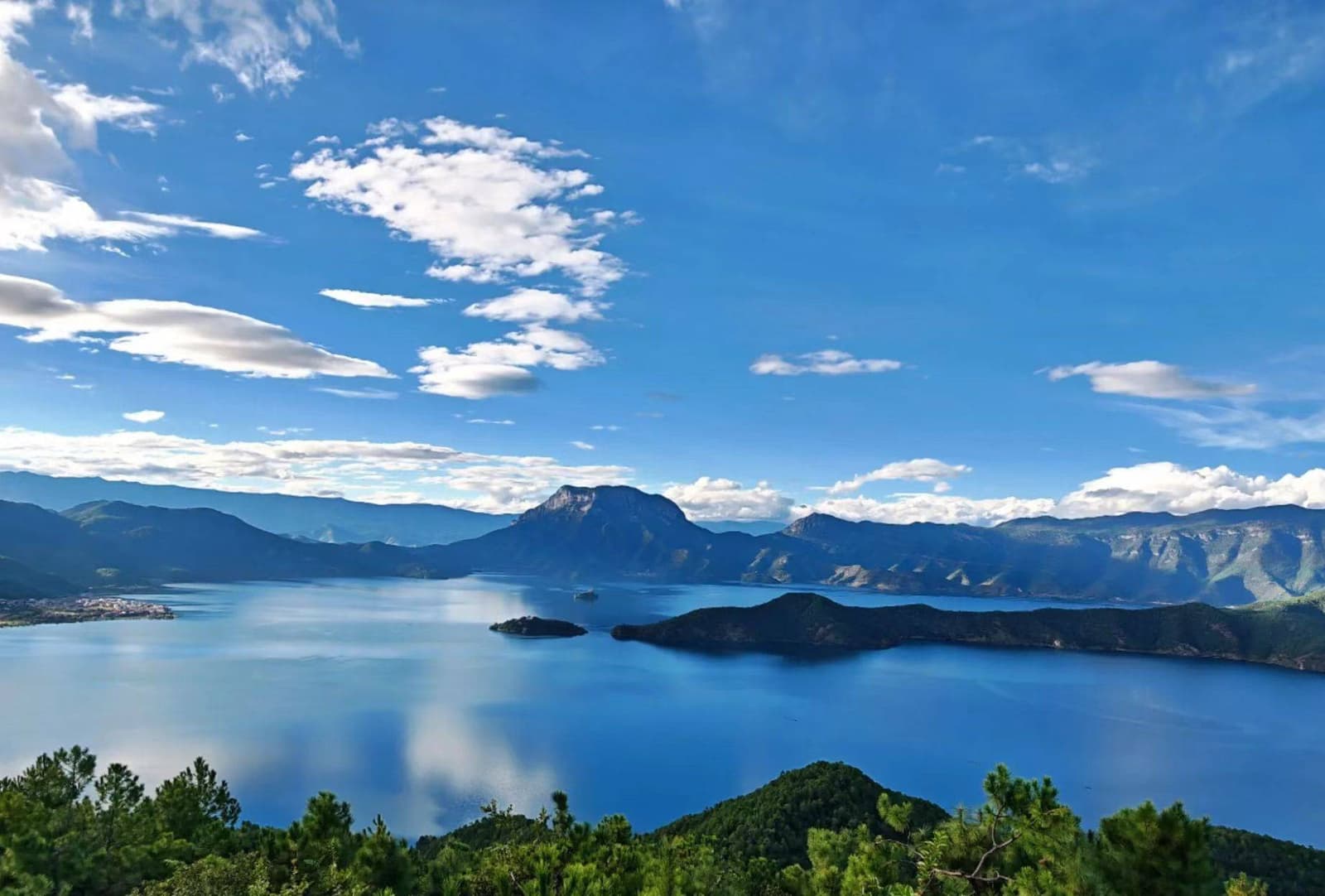
Nestled deep in the mountains on the border between Yunnan and Sichuan, Lugu Lake is a place that makes you wonder how it has managed to stay so understated for so long. The lake's water is crystal clear, shifting between deep blue and emerald green, with traditional Mosuo villages scattered along its shores and surrounded by mountains on all sides. This is Yunnan at its most serene and pristine.
Why Visit Lugu Lake in Yunnan
Lugu Lake sits at an altitude of 2,685 meters, covering an area of about 50 square kilometers, making it one of China's deepest freshwater lakes. But numbers can't capture what makes this place unique. What truly captivates is the crystal-clear water (with visibility reaching 12 meters in some areas), the ancient Mosuo culture, and a pace of life that feels like it belongs to another century.
The Mosuo people, who live around Lugu Lake, are one of the world's last matrilineal societies. Women run the households, property is passed down through the maternal line, and their unique "walking marriage" tradition has fascinated anthropologists for decades. Visiting a Mosuo village offers a cultural experience like no other.
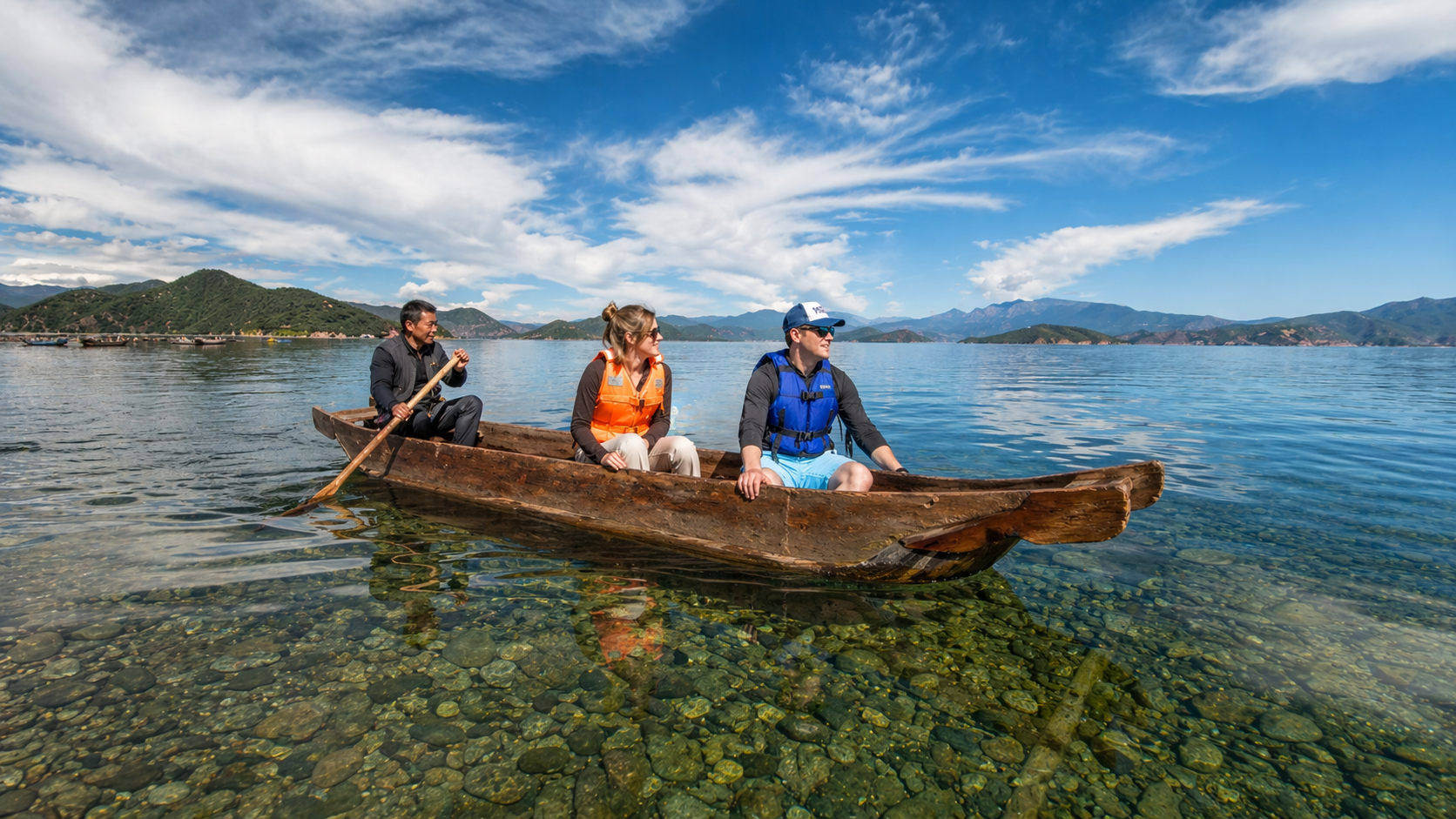
Unlike other more developed tourist destinations in Yunnan, Lugu Lake maintains a genuinely laid-back atmosphere. There are no towering lakeside hotels or neon-lit bar streets. Instead, you'll find family-run guesthouses, morning mist rising from the lake, and the gentle sound of traditional wooden "pig-trough boats" cutting through the calm water.
How to Get to Lugu Lake: Lijiang to Lugu Lake and Other Routes
In recent years, getting to Lugu Lake has become much easier, but it still requires some effort—which is why it remains relatively less crowded.
From Lijiang (Most Popular Route)
The Lijiang to Lugu Lake route is the most common choice for international travelers. Today, via modern expressways, the drive takes about 4-5 hours (compared to 7-8 hours on winding mountain roads in the past). Direct buses run daily from Lijiang Bus Station, and you can also arrange a private car. Many visitors spend a few days exploring Lijiang Old Town before heading to Lugu Lake.
By Air
Ninglang Lugu Lake Airport (NLH) serves the area, with flights from Chinese cities like Kunming. The airport is about a 40-minute drive from the lake. Flight availability varies by season, with more options during peak travel times.
From the Sichuan Side
You can also reach Lugu Lake from Xichang in Sichuan Province, a drive of about 4-5 hours. This is a good option if you're traveling in Sichuan. The Sichuan side of Lugu Lake (Caohai Wetland) is less visited and offers a more tranquil experience.
Planning a Yunnan itinerary that includes multiple destinations can be complex, especially when coordinating different modes of transport. Local travel agencies can handle all the logistics for you, letting you focus on enjoying the journey.
Best Time to Visit Lugu Lake
Lugu Lake is beautiful year-round, but each season offers a different experience. Here's what to expect:
March to May (Spring): Wildflowers bloom along the lakeshore, temperatures are pleasant, and crowds are thin. Great for photography and hiking.
June to August (Summer): Warm weather, blue skies, and the lake's most vibrant colors. July and August are peak season with many domestic tourists.
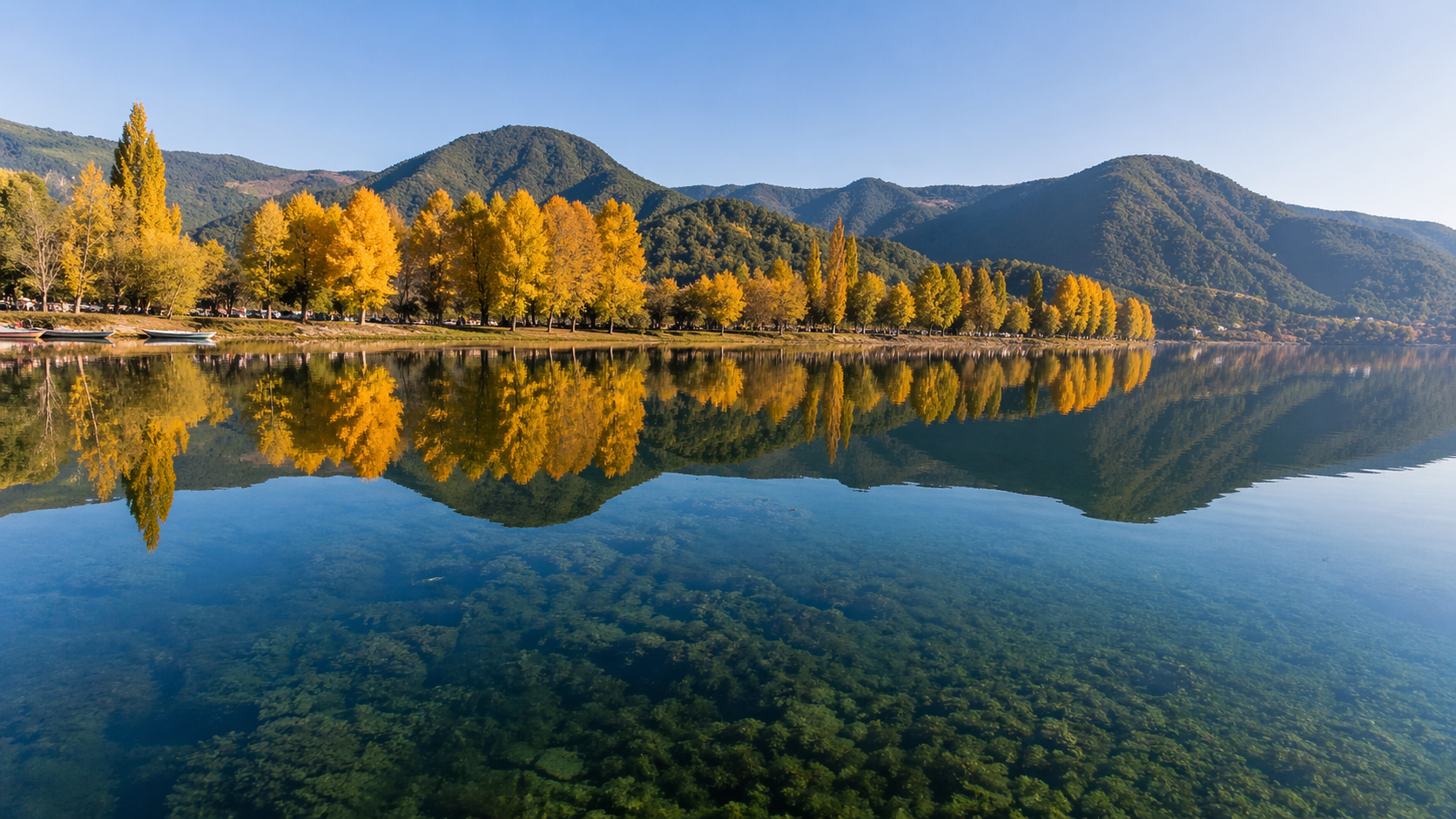
September to November (Autumn): Arguably the best time to visit. Clear skies, golden autumn leaves reflected in the lake, and comfortable temperatures. October is especially stunning.
December to February (Winter): Cold but with exceptional visibility. The lake takes on a deep sapphire blue, and migratory birds arrive. Very few tourists.
Overall, September and October are the golden months, balancing great weather, manageable crowds, and breathtaking scenery. Check out our guide to the best time to visit Yunnan to plan your trip around the weather.
Must-Visit Attractions and Experiences at Lugu Lake
Lige Peninsula
This small peninsula jutting into the lake is a favorite spot for visitors, and for good reason. It offers panoramic lake views, a charming selection of guesthouses and cafes, and direct access to boat rides. Sunrise from Lige is particularly spectacular, as the first rays of light hit the surrounding mountains and illuminate the lake's surface.
Riding a Traditional Pig-Trough Boat
The Mosuo people's unique dugout canoe—called a pig-trough boat for its shape—is the traditional way to travel on Lugu Lake. You can hire a Mosuo boatwoman to row you out to the lake's islands or through patches of aquatic plants. In summer, the lake is dotted with white flowers of the water cabbage, making the experience feel dreamlike.
Exploring Mosuo Culture and the Walking Marriage Custom
The Mosuo people are the main ethnic group around Lugu Lake, and their matriarchal social structure is something you won't easily encounter elsewhere. In Mosuo culture, women own property, children take their mother's surname, and romantic relationships follow the "walking marriage" custom—partners live in their own matriarchal homes, with men visiting the woman's home at night.
Visiting the Mosuo Folk Museum in Luoshui Village helps provide context, and many guesthouses are run by Mosuo families who are happy to share their traditions. The evening bonfire parties, complete with traditional Mosuo song and dance, are a highlight for many visitors. Having a knowledgeable guide makes these cultural interactions more meaningful.
Cycling Around the Lake
A paved road encircles the entire lake, making the 68-kilometer cycling loop an excellent way to explore. You can rent regular bicycles or e-bikes in Lige or Luoshui. At a leisurely pace, the full loop takes a full day, with plenty of stops for photos, snacks, and village visits. The section between Lige and Nisai Village is particularly scenic.
The Grass Sea Wetland
On the Sichuan side of the lake, the Grass Sea is a shallow wetland covered in reeds and aquatic plants. In winter, it becomes a haven for migratory birds, including red-billed gulls and bar-headed geese. A wooden boardwalk extends through the wetland, and taking a boat ride through the reedy channels feels incredibly peaceful. This area is far less crowded than the Yunnan side.
Goddess Mountain (Gemu Mountain)
Standing on the north shore, Goddess Mountain rises to an elevation of 3,754 meters and is sacred to the Mosuo people. A cable car takes you partway up, offering stunning views of the lake from the hillside. The Mosuo hold a festival to honor the goddess on the 25th day of the seventh lunar month.
Want to explore Lugu Lake without any worries? Let our local travel experts tailor a custom itinerary for you.
Practical Travel Tips for Lugu Lake
Entrance Fee: The scenic area charges an entrance fee of approximately 100 RMB. Keep your ticket handy, as you may need to show it at different checkpoints around the lake.
Altitude Awareness: Lugu Lake sits at an elevation of nearly 2,700 meters. Some visitors may experience mild altitude sickness—such as slight headaches or shortness of breath—especially on the first day. Slow down upon arrival, drink plenty of water, and you'll usually adjust quickly. If you're coming from Lijiang (which has a similar altitude), you should already be acclimatized.
Sun Protection: The high altitude means strong UV rays. Bring sunscreen, sunglasses, and a hat—this applies year-round, not just in summer.
Payment and Communication: While mobile phone signal is decent in the main tourist areas, it can be unreliable in more remote spots around the lake. Most shops and restaurants accept mobile payments, but cash is useful for small purchases and boat rides. For advice on managing money as a foreign tourist, see our China Payment Guide.
Respect Local Culture: The Mosuo people are proud of their traditions. Ask for permission before photographing people, be respectful when visiting homes or temples, and be sensitive when asking about the walking marriage—it is a living tradition, not a tourist performance.

Accommodation Recommendations at Lugu Lake
Accommodation around Lugu Lake is concentrated in several main areas, each with its own character:
Lige Peninsula: The most popular area, with the widest selection of lake-view guesthouses, cafes, and restaurants. Best for first-time visitors seeking convenience and scenery.
Luoshui Village: The main administrative village on the Yunnan side. It has a more local feel, slightly lower prices, and easy access to the Mosuo Folk Museum.
Nisai Village: A quieter alternative with beautiful scenery and fewer tourists. Ideal for travelers seeking a more off-the-beaten-path experience.
Grass Sea Area (Sichuan Side): The most peaceful option. Stay here if you want to completely avoid the tourist crowds.
Many guesthouses are run by Mosuo families, offering a truly hospitable experience. Booking can be a bit challenging for non-Chinese speakers, as most listings are on Chinese platforms. A local travel agency can help you find the perfect lakeside accommodation to suit your style and budget.
Frequently Asked Questions
How many days should I plan for Lugu Lake?
2-3 days is ideal for most travelers. This gives you time to take a boat ride on the lake, cycle part of the shoreline, visit a Mosuo village, and relax leisurely by the water. If you plan to combine Lugu Lake with Lijiang and other destinations in Yunnan, 2 days is enough to experience its highlights.
Can I swim in Lugu Lake?
Swimming in Lugu Lake is generally discouraged, as the Mosuo people consider it a sacred lake. Additionally, due to the high altitude, the water is quite cold even in summer. We recommend enjoying the lake's beauty by taking a boat ride or admiring it from the shore.
Is Lugu Lake suitable for families with children?
Yes, Lugu Lake is a peaceful and safe destination, perfect for family trips. Children will enjoy activities like boat rides, cycling, and visiting villages. Just be mindful of the high altitude and pack warm clothing. For more family travel tips, refer to our Yunnan Safety Travel Guide.
Should I stay on the Yunnan side or the Sichuan side?
Most international tourists choose to stay on the Yunnan side (Lige or Luoshui), as it's more accessible from Lijiang and has better tourist facilities. The Sichuan side is quieter and offers the chance to experience the Caohai Wetland scenery. If you have enough time, spending one night on each side allows you to enjoy both different atmospheres.
Can I combine Lugu Lake with other destinations in Yunnan?
Absolutely. The most popular route combination is Lijiang + Lugu Lake, often with Tiger Leaping Gorge as an add-on. You can also extend south to Dali. A well-planned 7-10 day itinerary can comfortably cover Kunming, Dali, Lijiang, Tiger Leaping Gorge, and Lugu Lake.
Want to explore Lugu Lake with ease, without planning the itinerary yourself? Let our local travel experts craft a personalized trip for you.
Related Articles
Plan it for real
Turn this destinations guide into your actual trip
Tell us your dates and interests — we'll send a free, no-pressure route within 24 hours. We've helped hundreds of readers do exactly this.
Free · No spam · Reply within 24h · Local Yunnan team since 2016
Free download
Get the 12-page Yunnan route planner
Best months, sample routes, realistic costs, altitude tips, and common mistakes — built by a local Kunming team. Free instant download.
Share this page