
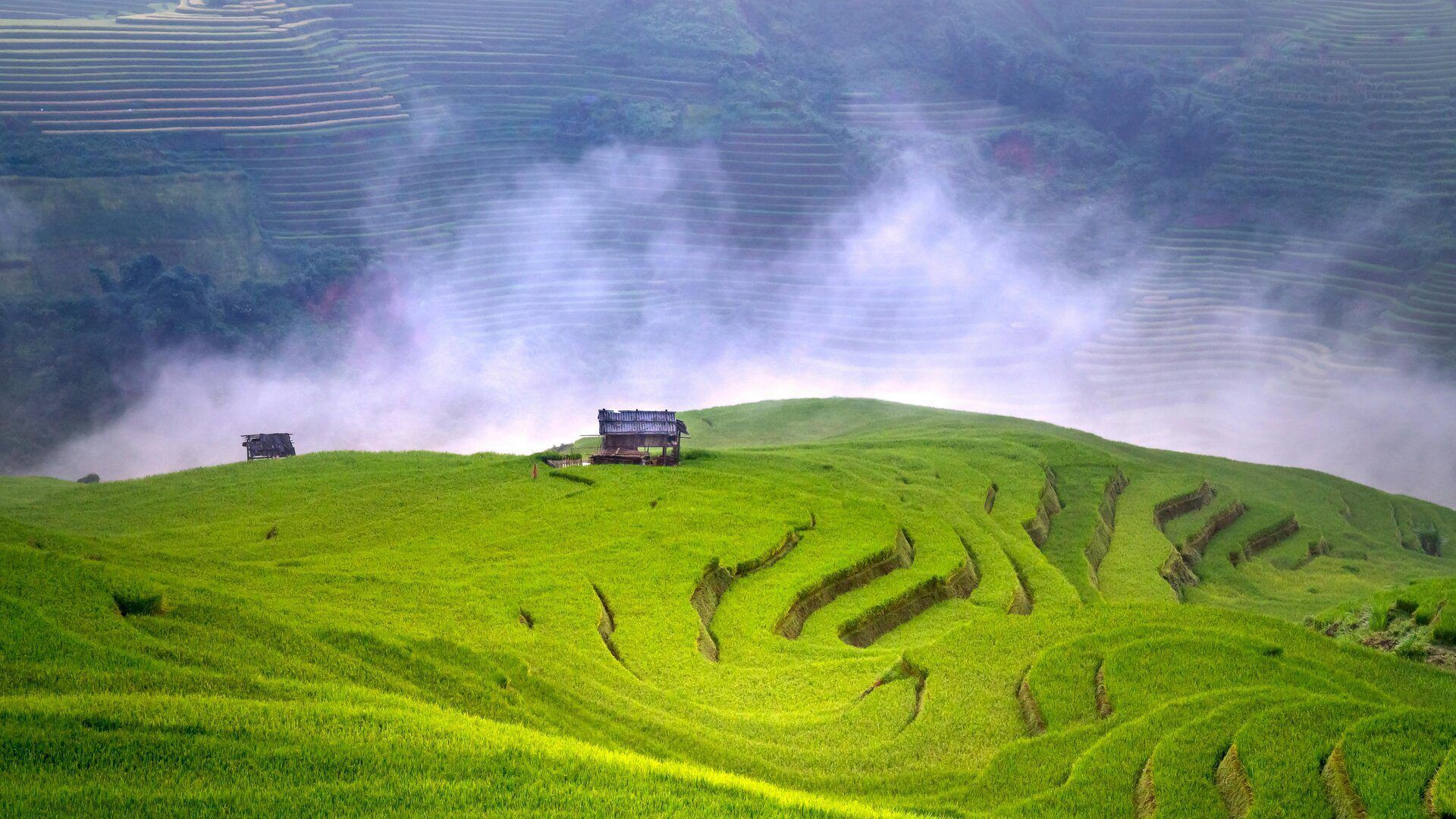
Best Time to Visit Yunnan (2026) — Month-by-Month Weather & Travel Guide
Wondering when to visit Yunnan? You are not alone. Yunnan is one of China’s most climate-diverse provinces — from tropical rainforests in the south to snow-capped peaks in the north — and picking the right month can make or break your trip. This complete guide breaks down Yunnan weather, festivals, crowds, and costs month by month so you can find the best time to go to Yunnan for your travel style.

At a Glance: Best Time to Visit Yunnan
- Best overall: March to May (spring) — warm, dry, wildflowers everywhere
- Best for photography: October to March — terraces, foliage, clear skies
- Best for budget: November to February (excluding CNY) — low season prices
- Best for festivals: April (Water Splashing), July (Torch Festival)
- Most crowded: Chinese Golden Week (Oct 1-7), Chinese New Year, July-August
- Rainiest: June to August — but mornings are often clear
Yunnan’s Climate at a Glance
Yunnan literally means “South of the Clouds,” and the province lives up to its poetic name. Sitting on the Yunnan-Guizhou Plateau with elevations ranging from 76 meters in the tropical south to 6,740 meters at Meili Snow Mountain, Yunnan packs an astonishing range of climates into a single province. Understanding Yunnan weather patterns is the key to planning a great trip.
The general rule: Yunnan has a dry season (November to April) and a wet season (May to October), with the monsoon peaking in July and August. But the actual weather you experience depends heavily on where you are — Kunming earns its nickname “Spring City” with mild temperatures year-round, while Shangri-La can freeze at night even in June. These are the two main Yunnan travel seasons that shape every itinerary.
Monthly Temperature & Weather Table
Use this table to compare Yunnan weather across the five most-visited destinations, month by month. Temperatures show the typical daily low–high range.
| Month | Kunming | Lijiang | Shangri-La | Dali | Xishuangbanna | Rainy Days | Best For |
|---|---|---|---|---|---|---|---|
| Jan | 3–17°C | 0–15°C | -7–9°C | 2–16°C | 12–25°C | 2–3 | Yuanyang terraces, low prices |
| Feb | 5–19°C | 2–17°C | -5–11°C | 4–18°C | 13–28°C | 3–4 | Cherry blossoms, terraces flooding |
| Mar | 7–22°C | 4–20°C | -2–14°C | 6–21°C | 16–31°C | 3–4 | Luoping rapeseed, terrace photography |
| Apr | 11–25°C | 8–23°C | 2–17°C | 9–24°C | 18–33°C | 5–7 | Water Splashing Festival, trekking |
| May | 14–26°C | 11–24°C | 5–19°C | 12–25°C | 20–34°C | 8–10 | Rhododendrons, Shangri-La meadows |
| Jun | 17–26°C | 14–24°C | 8–20°C | 15–25°C | 22–33°C | 14–16 | Shangri-La grasslands |
| Jul | 17–26°C | 14–24°C | 9–20°C | 15–25°C | 22–32°C | 16–18 | Torch Festival, mushroom season |
| Aug | 17–26°C | 14–24°C | 8–20°C | 14–25°C | 22–32°C | 15–17 | Tropical Xishuangbanna, Nujiang |
| Sep | 15–25°C | 12–23°C | 6–18°C | 13–24°C | 21–32°C | 10–12 | Golden rice, post-monsoon clarity |
| Oct | 11–22°C | 7–21°C | 1–16°C | 9–22°C | 18–30°C | 5–7 | Autumn foliage, ginkgo village |
| Nov | 7–19°C | 3–18°C | -3–13°C | 5–19°C | 14–27°C | 3–4 | Tengchong ginkgo, fewer crowds |
| Dec | 3–17°C | 0–15°C | -7–10°C | 2–16°C | 11–24°C | 1–2 | Kunming gulls, Xishuangbanna escape |
Pro Tip: The temperature difference between Kunming and Shangri-La can be 20°C or more on the same day. Always pack layers if your itinerary covers both the south and the north of Yunnan.
Spring in Yunnan (March – May) — The Best Overall Season
If you can only visit Yunnan once, spring is the best time to go to Yunnan. The dry season is winding down, temperatures are warm but not hot, and the entire province bursts into color. This is when most seasoned China travelers say the best month to visit Yunnan falls — and they are right.

March
March marks the beginning of spring across Yunnan. In Luoping (eastern Yunnan), vast fields of golden rapeseed flowers reach full bloom — one of China’s most iconic spring landscapes. The Yuanyang rice terraces are still flooded and reflecting the sky, making this a prime photography month. Cangshan Mountain above Dali begins showing early spring rhododendrons at lower elevations. Kunming’s cherry blossoms at Yuantong Temple are at their peak.
- Weather: Dry and sunny, 7–22°C in Kunming, cool in the north
- Crowds: Low to moderate — shoulder season
- Highlights: Luoping rapeseed flowers, Yuanyang terraces, cherry blossoms
April
April is arguably the single best month to visit Yunnan. The famous Water Splashing Festival (Dai New Year) transforms Xishuangbanna into a massive water fight — one of China’s most joyful celebrations. Temperatures across the province are comfortable for hiking, and Cangshan Mountain’s alpine meadows start greening up. Tiger Leaping Gorge trekking conditions are excellent with clear skies and moderate river levels.
- Weather: Warm and mostly dry, 11–25°C in Kunming, occasional late-afternoon showers
- Crowds: Moderate, heavy around Water Splashing Festival dates
- Highlights: Water Splashing Festival, Tiger Leaping Gorge, Third Month Fair in Dali
May
Late spring brings Yunnan’s most spectacular wildflower displays. Cangshan Mountain and the hills around Shangri-La are blanketed in rhododendrons — Yunnan is home to over half of China’s rhododendron species. The alpine meadows of Shangri-La turn a vivid green, and the weather is warm enough for comfortable outdoor adventures. The monsoon has not yet arrived in most areas, though late May may see early showers in the south.
- Weather: Warm, 14–26°C in Kunming, occasional pre-monsoon showers
- Crowds: Moderate, increasing toward the end of the month
- Highlights: Rhododendrons, Shangri-La meadows, outdoor trekking
Best Time for Family Travel
Traveling with Kids? Spring (March–May) and Autumn (September–November) are the best seasons for families visiting Yunnan. The weather is mild, the roads are dry, and you avoid both the summer monsoon and winter cold in the northern highlands. The classic Kunming → Dali → Lijiang route is the most kid-friendly itinerary, with easy logistics and plenty of variety. For families who prefer warm weather year-round, Xishuangbanna in the tropical south is a great option any time of year — think elephants, rainforests, and Dai minority villages.
Summer in Yunnan (June – August) — Monsoon Season
Summer is Yunnan’s wet season, but do not write it off entirely. The monsoon brings lush green landscapes, dramatic cloud formations, and — crucially — far fewer international tourists. Hotel prices drop, and some of Yunnan’s most unique experiences are only available during these months.

June
Visiting Yunnan in June means the monsoon is arriving but has not yet reached full force. Shangri-La is at its most beautiful — the high-altitude grasslands are emerald green, wildflowers are blooming, and the famous Napa Lake reflects the surrounding mountains. Rain tends to fall in short afternoon bursts, leaving mornings clear for sightseeing. The rice paddies across the province are freshly planted and glowing a vivid green.
- Weather: Warm and increasingly wet, 17–26°C in Kunming, afternoon showers common
- Crowds: Moderate — Chinese summer holiday has not started yet
- Highlights: Shangri-La grasslands, Napa Lake, early mushroom season
July
July is peak monsoon and the start of Chinese school holidays. The Torch Festival (火把节) — the biggest celebration of the Yi and Bai ethnic minorities — takes place in late July across villages in Dali, Chuxiong, and the Stone Forest area. Massive bonfires, traditional wrestling, bullfighting, and three days of dancing make this one of Yunnan’s most authentic cultural experiences. July is also when Yunnan’s famous wild mushroom season hits full swing — the markets in Kunming overflow with dozens of species you cannot find anywhere else.
- Weather: Warm and wet, heaviest rainfall of the year, 17–26°C in Kunming
- Crowds: High — Chinese domestic tourism peak
- Highlights: Torch Festival, wild mushroom season, lush landscapes
August
August continues the monsoon pattern with heavy afternoon rains and warm temperatures. This is an excellent time to visit Xishuangbanna in the tropical south, where the rain creates a lush, steamy jungle atmosphere and the famous Asian elephants are most active. The remote Nujiang Valley (one of Yunnan’s most dramatic and least-visited regions) is also at its most spectacular, with waterfalls cascading down vertical canyon walls. Mushroom markets remain in full season.
- Weather: Warm and wet, 17–26°C in Kunming, tropical heat in Xishuangbanna
- Crowds: High — last month of Chinese summer holiday
- Highlights: Xishuangbanna tropical experience, Nujiang Valley, mushrooms
Important Note: Summer monsoon rains can cause landslides on mountain roads, particularly on routes to Shangri-La and through the Nujiang Valley. Always check road conditions before traveling to remote areas in July and August, and build flexibility into your itinerary.
Autumn in Yunnan (September – November) — Golden Season
Autumn is Yunnan’s other peak season, rivaling spring for the title of best time to visit. The monsoon retreats, skies clear dramatically, and the province puts on a stunning display of golden rice, autumn foliage, and crystal-clear mountain views. Many photographers consider this the finest season of all.

September
September is a transitional month — the monsoon fades, skies begin to clear, and the rice terraces across Yunnan turn from green to gold. Yuanyang, Honghe, and the terraces around Dali are magnificent at this time, with golden rice ready for harvest against a backdrop of clearing skies. The post-monsoon air clarity means mountain views are exceptional — on a clear day, Meili Snow Mountain’s Kawagebo peak is visible from Feilai Temple viewpoint.
- Weather: Drying out, 15–25°C in Kunming, occasional showers
- Crowds: Low before October Golden Week
- Highlights: Golden rice terraces, clearing mountain views, comfortable temperatures
October
October is stunning but comes with a caveat: the first week is China’s Golden Week national holiday (October 1–7), when domestic tourist numbers surge and prices spike. If you can visit in mid-to-late October instead, you will find perfect autumn weather with far fewer crowds. The famous ginkgo village of Tengchong (Yinxing Cun) begins turning gold, and the forests around Shangri-La blaze with red and orange foliage. Meili Snow Mountain photography conditions are excellent.
- Weather: Dry and cool, 11–22°C in Kunming, crisp mornings
- Crowds: Extremely high during Golden Week (Oct 1-7), moderate after
- Highlights: Autumn foliage, Tengchong ginkgo, Meili Snow Mountain views
November
November is one of Yunnan’s hidden gems — an underrated month that offers excellent conditions with minimal crowds. The Tengchong ginkgo village is at its peak, with ancient trees draping entire villages in a canopy of gold. The skies are consistently clear and blue, making this a superb month for photography across the province. Northern Yunnan gets cold at night but daytime temperatures in Kunming and Dali remain pleasant. Hotel prices drop as the tourist season winds down.
- Weather: Dry and clear, 7–19°C in Kunming, cold nights in the north
- Crowds: Low — excellent value
- Highlights: Tengchong ginkgo, clear skies, low prices, photography
There is something magical about Yunnan in November — the air is so clear you can see every detail of the distant snow mountains, the tourist crowds have vanished, and the ginkgo trees turn entire villages into golden cathedrals. If you want Yunnan all to yourself, this is the month.
Not sure which season is right for you? Tell us your preferences and our Yunnan travel experts will suggest the perfect dates.
Winter in Yunnan (December – February) — The Quiet Season
Winter in Yunnan is not what most travelers expect. While northern Yunnan (Shangri-La, Lijiang) gets genuinely cold, the southern and central parts of the province enjoy some of China’s mildest winter weather. Kunming rarely drops below freezing, and Xishuangbanna remains warm and tropical. This is Yunnan’s true low season — prices are at their lowest, crowds are thin, and some of the province’s most iconic landscapes are at their best.

December
December begins the dry winter season with consistently clear skies and cool temperatures. Thousands of black-headed gulls migrate to Kunming’s Green Lake and Dianchi Lake — a beloved annual spectacle where locals and visitors feed the gulls by hand. Xishuangbanna is the go-to winter escape, offering warm tropical weather while the rest of China shivers. The Yuanyang Rice Terraces begin filling with water, preparing for their most photogenic season.
- Weather: Dry and cool, 3–17°C in Kunming, freezing in Shangri-La, warm in Xishuangbanna
- Crowds: Low — great value
- Highlights: Kunming gulls, Xishuangbanna winter escape, Yuanyang terraces filling
January
January is the coldest month but also one of the best for photography. The Yuanyang Rice Terraces are fully flooded and at their most spectacular — the terraces mirror the sky in shades of gold, pink, and blue at sunrise and sunset. Morning mist rises from the valleys to create an ethereal landscape that has drawn photographers from around the world. Hotel prices across Yunnan are at their annual low (except during Chinese New Year if it falls in late January).
- Weather: Cold and dry, 3–17°C in Kunming, below freezing in the north
- Crowds: Lowest of the year (except Chinese New Year)
- Highlights: Yuanyang terraces at peak, lowest prices, Kunming gulls
February
February brings early hints of spring to Yunnan. Cherry blossoms begin appearing in Kunming, and the rapeseed flowers in Luoping start blooming toward the end of the month. The Yuanyang terraces remain flooded and magnificent. Chinese New Year (dates vary) brings a spike in domestic tourism and prices for about two weeks — book well in advance if your trip overlaps. Outside of CNY, February offers excellent value with improving weather.
- Weather: Cool and dry, warming through the month, 5–19°C in Kunming
- Crowds: Low except during Chinese New Year
- Highlights: Cherry blossoms, Yuanyang terraces, early rapeseed flowers
Important Note: If your winter itinerary includes Shangri-La or Lijiang, be prepared for freezing nighttime temperatures. Many guesthouses in these areas do not have central heating. Pack thermal layers, and consider booking hotels with heated rooms or electric blankets.
Worst Time to Visit Yunnan?
Here is the honest answer: there is no truly “worst” time to visit Yunnan. The province’s geographic diversity means that somewhere in Yunnan is always worth visiting, regardless of the month. That said, if we had to pick the most challenging period for the average traveler, it would be late July through August.
Here is why: July and August combine peak rainfall (16–18 rainy days per month), peak domestic tourist crowds (Chinese school holidays), and peak prices. Mountain roads can be disrupted by landslides, outdoor trekking is less reliable, and popular destinations like Lijiang Old Town and Dali’s Erhai Lake can feel overcrowded.
But here is the exception: late July and August are actually the best time for certain experiences. Xishuangbanna’s tropical jungles are at their most lush and alive. The wild mushroom markets in Kunming are overflowing with dozens of exotic species. And the Torch Festival in late July is one of Yunnan’s most unforgettable cultural events. So even the “worst” time has its highlights.
The other period to be cautious about is Golden Week (October 1–7). The weather is excellent, but domestic tourist numbers at Yunnan’s major attractions can be overwhelming, hotel prices double or triple, and popular sites like Jade Dragon Snow Mountain and Lijiang Old Town become extremely crowded. If your dates are flexible, shifting just one week before or after Golden Week makes an enormous difference.
Best Time to Visit Yunnan by Destination
Yunnan is a large province with dramatically different climates. The best time to visit depends heavily on where you are going.
Kunming — Year-Round
As the “Spring City,” Kunming enjoys mild weather throughout the year with temperatures rarely exceeding 28°C or dropping below 2°C. The best months are March to May and September to November. Winter (December–February) is a special time when thousands of black-headed gulls migrate to the city’s lakes — a unique Kunming experience. Summer can bring afternoon showers but rarely lasts all day.
Dali — March to November
Dali sits at 2,000 meters beside Erhai Lake, giving it a pleasant climate most of the year. Spring brings the ancient Third Month Fair and Cangshan Mountain rhododendrons. Summer is warm with monsoon rains. Autumn offers clear skies and golden light reflecting off Erhai Lake. Winter is chilly but sunny — pack warm layers for evenings. The Raosanling festival in spring is a wonderful Bai cultural experience.
Lijiang & Shangri-La — April to June, September to November
Northern Yunnan’s high-altitude destinations are at their best during the shoulder seasons. Spring (April–June) brings wildflowers and alpine meadows while summer monsoon rains have not yet peaked. Autumn (September–November) offers golden foliage, clear mountain views, and post-monsoon freshness. Winter (December–February) is bitterly cold, especially in Shangri-La where temperatures regularly drop to -10°C at night, though the dry air and blue skies can be spectacular. Meili Snow Mountain is best viewed from October through March when skies are clearest.
Xishuangbanna — November to April
Yunnan’s tropical south has only two real seasons: hot and dry (November–April) and hot and wet (May–October). The dry season is the most comfortable time to visit, with temperatures around 25–30°C and minimal rainfall. The Water Splashing Festival in April is the highlight of the year. Summer is steamy but the rainforest is at its most lush and alive — a trade-off many nature lovers are happy to make.
Yuanyang Rice Terraces — November to March
The Yuanyang Rice Terraces follow a unique seasonal rhythm. The terraces are filled with water from November to March, creating the mirror-like reflections that have made this UNESCO site world-famous. January and February are the absolute peak for photography, with flooded terraces, morning mist, and golden sunrises. From April to September, the terraces are green with growing rice — still beautiful, but the iconic “mirror” effect is gone.
Activity Quick-Reference Table
Planning your trip around a specific activity? Use this table to find the best months at a glance.
| Activity | Best Months | Where | Notes |
|---|---|---|---|
| Trekking & hiking | Mar–May, Sep–Nov | Tiger Leaping Gorge, Shangri-La, Cangshan | Dry trails, comfortable temps |
| Photography | Oct–Mar | Yuanyang, Meili, Dongchuan Red Land | Clearest skies, best light |
| Wildflowers | Mar–Jun | Luoping, Shangri-La, Cangshan | Rapeseed → Rhododendrons → Alpine flowers |
| Cultural festivals | Apr, Jul | Xishuangbanna, Dali, Yi villages | Water Splashing, Torch Festival |
| Bird watching | Nov–Mar | Kunming lakes, Napa Lake, Lugu Lake | Migratory species including gulls and cranes |
| Cycling Erhai Lake | Mar–May, Sep–Nov | Dali | Dry roads, pleasant temperatures |
| Rice terrace photography | Nov–Mar (flooded), Sep (golden) | Yuanyang, Honghe | Winter = mirror reflections, Autumn = golden rice |
| Wild mushroom tasting | Jun–Sep | Kunming, rural markets | Peak in Jul–Aug, dozens of species |
| Hot springs | Nov–Feb | Tengchong | Best enjoyed in cool weather |
| Tropical wildlife | Nov–Apr | Xishuangbanna | Wild elephants, rainforest treks |
Yunnan Festival Calendar
Yunnan is home to 25 ethnic minority groups, more than any other Chinese province, and their festivals are among the most authentic cultural experiences in all of Asia. Timing your trip around one of these celebrations can transform a great trip into an unforgettable one.
| Festival | When | Where | What to Expect |
|---|---|---|---|
| Water Splashing Festival (泼水节) | April 13–15 | Xishuangbanna | Dai New Year, massive water fights, dragon boat races, cultural performances |
| Third Month Fair (三月街) | March/April (lunar calendar) | Dali | 1,000-year-old trade fair, horse racing, Bai cultural performances |
| Torch Festival (火把节) | Late July | Yi & Bai villages across Yunnan | Massive bonfires, traditional dancing, bullfighting, 3-day celebration |
| Raosanling (绕三灵) | April/May (lunar calendar) | Dali | Bai pilgrimage festival with singing, dancing, and processions around Erhai Lake |
| Knife Pole Festival (刀杆节) | February (lunar calendar) | Nujiang | Lisu people climb ladders of sharp knives and walk on hot coals — astonishing bravery |
Pro Tip: Festival dates based on the lunar calendar shift each year. If you want to attend a specific festival, check the exact 2026 dates before booking flights. Your travel agent can help you plan around festival schedules.
What to Pack for Yunnan
Packing for Yunnan is tricky because the climate varies so dramatically between destinations. Here is what to bring based on the season and your itinerary.
Year-Round Essentials
- Layers: Even in summer, mornings and evenings can be cool at altitude. A packable light jacket is essential.
- Sunscreen & hat: UV levels at Yunnan’s altitude are intense — much stronger than at sea level. SPF 50+ is recommended.
- Comfortable walking shoes: Old towns have cobblestone streets, and many attractions require walking.
- Sunglasses: The high-altitude sunshine is bright year-round.
- Reusable water bottle: Stay hydrated, especially at altitude.
Spring (March – May)
- Light layers: T-shirts for daytime, a fleece or light jacket for evenings
- A light rain jacket for occasional showers in late May
- Hiking boots if trekking Tiger Leaping Gorge or Cangshan
Summer (June – August)
- A quality rain jacket or compact umbrella — essential during monsoon
- Quick-dry clothing for rainy days
- Insect repellent, especially for Xishuangbanna and rural areas
- Waterproof bag for electronics and cameras
Autumn (September – November)
- Medium layers: long-sleeve shirts, a warm fleece, and a light jacket
- A warm hat and gloves if visiting Shangri-La in November
- Camera gear — this is prime photography season
Winter (December – February)
- Warm layers: down jacket, thermal underwear for Shangri-La and Lijiang
- For Kunming and Xishuangbanna, a medium jacket and sweater are sufficient
- Hand warmers and warm socks if heading to northern Yunnan
- Moisturizer and lip balm — the dry winter air can be harsh
Pro Tip: Yunnan’s altitude means the temperature difference between sun and shade can be 10–15°C. You might be warm in direct sunlight and shivering in the shade minutes later. Dress in removable layers and always carry a jacket in your daypack.
Frequently Asked Questions
What is the best month to visit Yunnan?
April is widely considered the single best month to visit Yunnan. The weather is warm and dry across the province, the Water Splashing Festival is one of China’s most exciting celebrations, and trekking conditions are ideal. That said, October (outside of Golden Week) and November are close contenders, especially for photography enthusiasts.
When should I go to Yunnan?
The short answer: March to May (spring) is the best overall window for most travelers. You get warm, dry weather, wildflowers, and fewer crowds than summer or Golden Week. However, the “right” time depends on your priorities — photographers should consider winter (December–March) for the Yuanyang terraces, culture lovers should target April or July for major festivals, and budget travelers will find the best deals from November to February.
Is Yunnan worth visiting in the rainy season?
Yes, absolutely. Yunnan’s rainy season (June–August) is not as bad as it sounds. Rain typically falls in short afternoon bursts, leaving mornings clear for sightseeing. The landscapes are at their greenest and most lush, the wild mushroom markets are incredible, and you will encounter far fewer international tourists than during the dry season. The Torch Festival in late July is worth building a trip around. Just bring a good rain jacket and be flexible with your daily schedule.
When is the best time to visit Yunnan for photography?
It depends on what you want to photograph. Winter (December–March) is the top choice for the Yuanyang Rice Terraces — the flooded terraces create stunning mirror reflections at sunrise. Autumn (October–November) is unbeatable for foliage — the Tengchong ginkgo village and Shangri-La forests are spectacular. Autumn also offers the clearest views of Meili Snow Mountain. Spring (March–May) is best for wildflower photography — from Luoping’s rapeseed fields to Cangshan Mountain’s rhododendrons. Each season has its signature shots.
How many days do I need in Yunnan?
A minimum of 7–10 days is recommended to cover the classic Kunming–Dali–Lijiang route at a comfortable pace. If you want to add Shangri-La, allow 10–14 days. For a comprehensive trip including Xishuangbanna or Yuanyang, plan for 2–3 weeks. Yunnan is a large province — resist the temptation to rush between destinations and give yourself time to soak in the atmosphere.
Is Yunnan safe for solo travelers?
Yes. Yunnan is one of the safest provinces in China for both solo and female travelers. The main tourist route (Kunming–Dali–Lijiang–Shangri-La) is well-established with good infrastructure, English signage at major attractions, and a welcoming local culture. The main safety concerns are altitude sickness above 3,000 meters (take it slow in Shangri-La) and road conditions in remote mountain areas during the monsoon.
Do I need a visa to visit Yunnan?
Most international visitors need a Chinese visa to visit Yunnan. However, China has expanded its visa-free transit policies — citizens of many countries can now enter visa-free for up to 240 hours (10 days) under certain transit conditions. Kunming Changshui International Airport is an eligible port of entry. Check the latest visa policies before your trip, as regulations change frequently.
What is the best time to visit Yunnan to avoid crowds?
For the fewest crowds, visit in November, early December, or March. These months offer good weather with minimal tourist numbers. Avoid Chinese Golden Week (October 1–7), Chinese New Year (dates vary, January/February), and the July–August school holiday if crowds are a concern. Even during busier periods, getting off the main tourist trail — visiting places like Shaxi, Weishan, or the Nujiang Valley — means you can escape the crowds entirely.
Plan Your Perfect Yunnan Trip
Now that you know the best time to visit Yunnan, the next step is turning that knowledge into an itinerary. Whether you are drawn to spring wildflowers, autumn foliage, winter terraces, or summer festivals, Yunnan rewards visitors in every season.
Tell us your preferred travel dates and interests, and our Yunnan specialists will design a custom itinerary tailored to the best experiences available during your visit.
Not sure which season is right for you? Tell us your preferences and our Yunnan travel experts will suggest the perfect dates.
[…] Best Time to Visit Yunnan […]
[…] Best Time to Visit Yunnan […]
[…] during this period is a once-in-a-lifetime culinary experience. For general trip timing, see our best time to visit Yunnan […]
[…] Balagezong is a year-round destination, but each season paints the canyon in dramatically different colors. For broader trip planning, check the best time to visit Yunnan. […]
[…] difference between a good experience and a spectacular one. For broader seasonal planning, see our best time to visit Yunnan […]
[…] is one of those rare places you can visit comfortably in almost any season. The best time to visit Yunnan generally applies here too, but Dali has its own rhythm. March to May is peak season, with perfect […]
[…] through the valleys, create those otherworldly images that have made this place famous. Check our Yunnan seasonal guide for more details on planning around […]
[…] a broader look at seasonal travel in the province, check out our best time to visit Yunnan […]
[…] the upper slopes, the weather is warm but not hot, and visibility is at its best. This is also the best time to visit Yunnan in […]